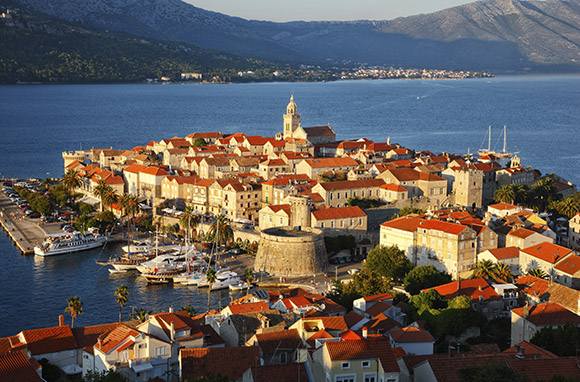

Just off the Dalmation Coast near Dubrovnik, the medieval walled city of Korcula hasn’t completely escaped the reaches of tourism—but Old Europe is certainly alive and well here. This traditional blue-collar shipbuilding and fishing town has deep roots in tradition. Korculans are skilled, respected seamen, and most of the island’s traditional songs are about them (and their sweethearts). Such a part of local lives is the sea that even the main ceiling of the city’s St. Mark’s Cathedral was constructed in a shape reminiscent of a boat. Religious ties are also strong here: Three brotherhoods (the oldest dating to 1301) are prominent social groups that still lead processionals through town. And these winding streets flanked with medieval stone fortresses and terracotta-roofed buildings set a picturesque backdrop for the mock sword battle dances that have been performed here since the 17th century.

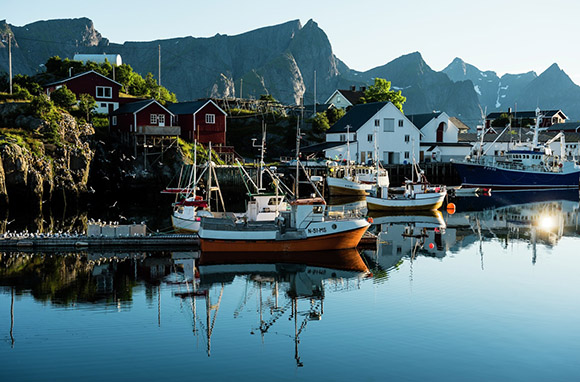
 In the frigid waters of the Norwegian Sea, far above the Arctic Circle, sits a tiny fishing village where hardy locals have weathered harsh conditions for generations, and refuse to leave. Summer in Reine (population: 300) brings the midnight sun, while winter heralds the return of abundant spawning cod stocks. Even today, you’ll see hundreds of fish hanging outside in the wind on traditional wooden drying racks every March and April. All done by hand, the grading and drying processes that have been passed down here since the age of the Vikings have made Norway famous for its premium quality stockfish (dried cod). Visitors can stay in a rorbu, the old fishermen’s cabins, and cook their own catch of the day.

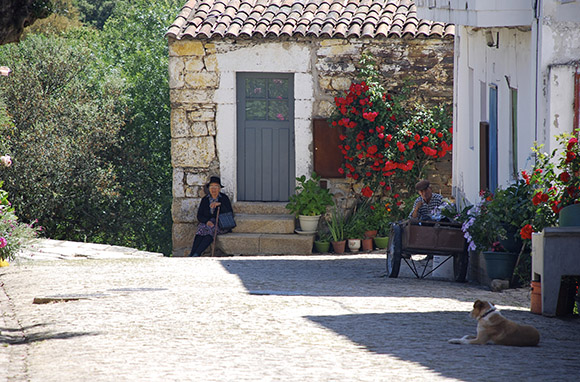
 This tiny hamlet of 150 residents at the remote eastern edge of Portugal may be the country’s most fascinating place that has hardly been written about. Once an important Roman City with its own garrison, Idanha-a-Velha (then called Egitanea) was home to 200,000 people in the first century. It was so prominent that it became a diocesan seat in 599 AD and had its own bishop for 600 years. In its prime, the city erected a cathedral, baptistery, and bishop’s palace. It even had a center to coin gold. Then the empire collapsed. Chaos followed as the doomed city changed hands from Muslims to Christians to Knights Templar, never returning to its former glory. You can still see evidence of each of these civilizations today. Ruins and marked landmarks make Idanha a national monument today, though few have heard of it.



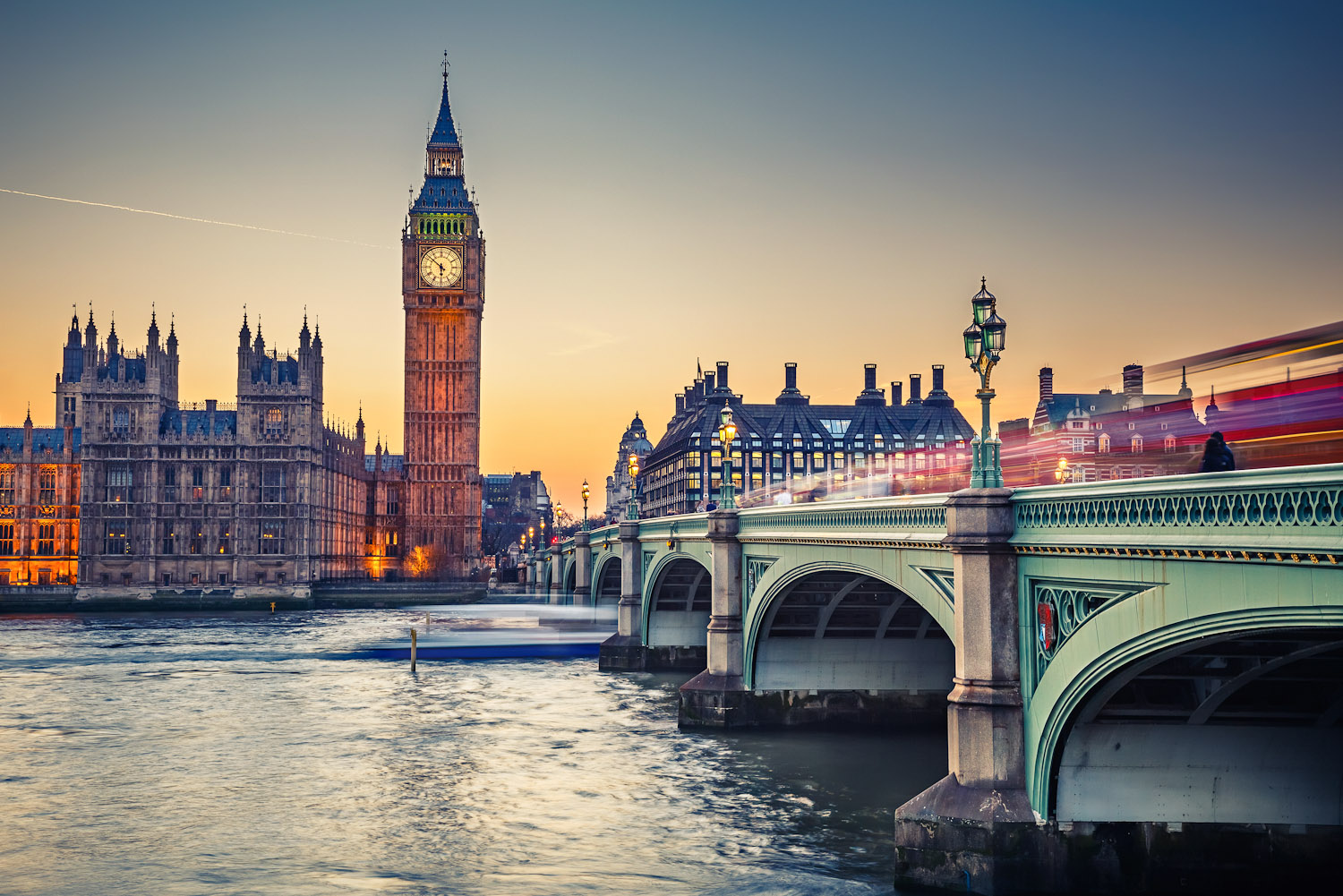
 Explore the eight Royal Parks in London, from pretty St James’s Park to the peaceful Bushy Park.
 A trip to the capital wouldn’t be complete without seeing the top 10 attractions in London. Make sure to tick these top things to see in London off your list.